air compressor efficiency
8 Practical Ways to Improve Air Compressor Efficiency and System Availability
3/14/20264 min read
How to Improve Air Compressor Efficiency and System Availability
Industrial air compressors play a vital role in manufacturing, construction, and many energy‑intensive industries.
In modern factories, compressed air systems are often one of the largest consumers of electricity. According to the U.S.
Department of Energy, compressed air systems can account for 10–30% of total industrial electricity consumption,
making system optimization an important opportunity for reducing operating costs and improving energy efficiency.
Introduction to Air Compressor Performance
Improving air compressor efficiency and system availability can significantly reduce downtime, extend equipment lifespan, and lower long‑term operating expenses.
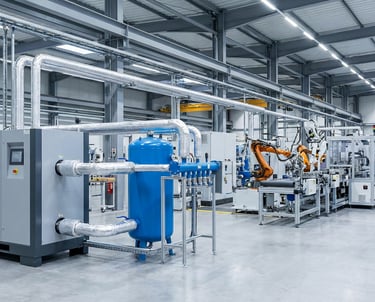
This guide explains practical strategies that facility managers and engineers can use to improve compressor performance.
Understanding Air Compressor Efficiency and Availability
Before exploring improvement strategies, it is important to understand the difference between these two key concepts.
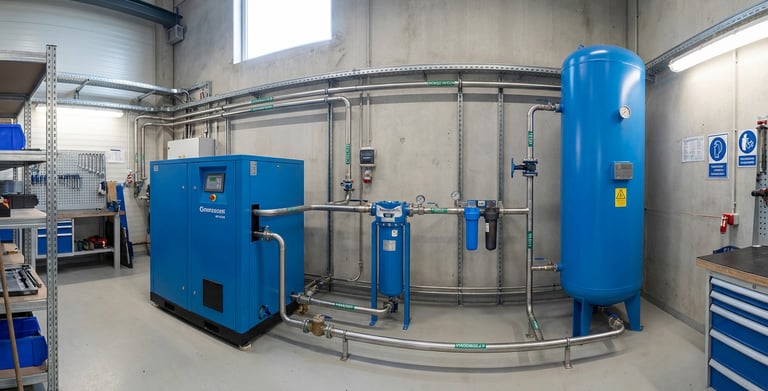
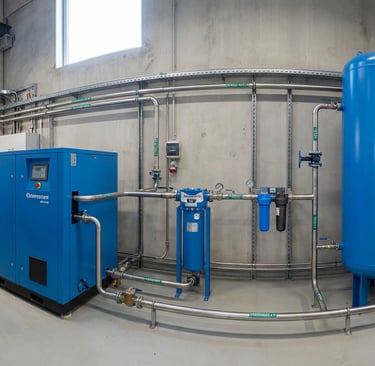
Air compressor efficiency refers to how effectively a compressor converts electrical energy into compressed air output. Inefficient systems often lose energy through leaks, pressure drops, heat losses, or poorly designed piping systems.
Availability refers to the percentage of time the compressor system is operational and capable of supplying compressed air when needed. High availability ensures stable production and minimizes costly downtime.
Both efficiency and availability are essential for maintaining a reliable compressed air system.
1. Conduct a Compressed Air System Audit
A comprehensive system audit is one of the most effective ways to improve air compressor efficiency. A compressed air audit examines the entire system, including compressors, piping networks, storage tanks, and end‑use equipment.
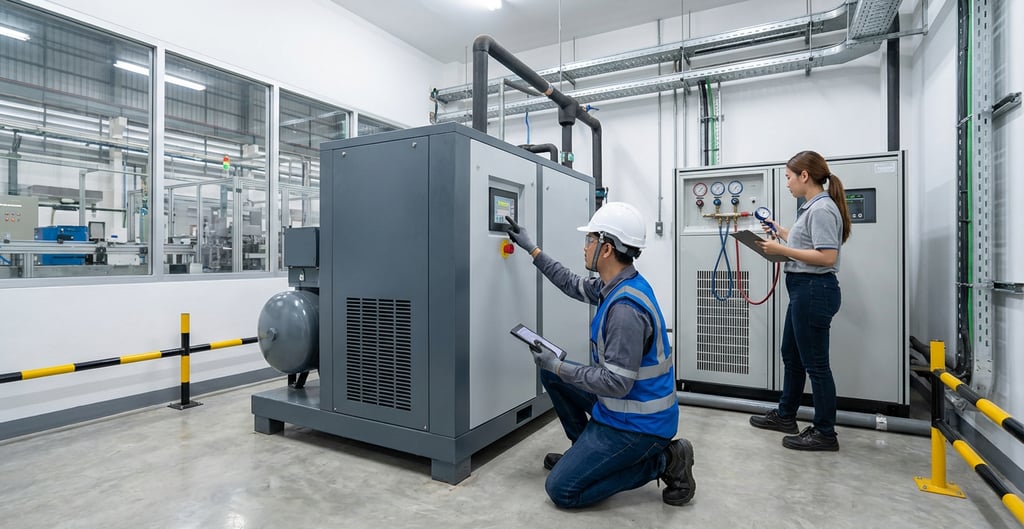
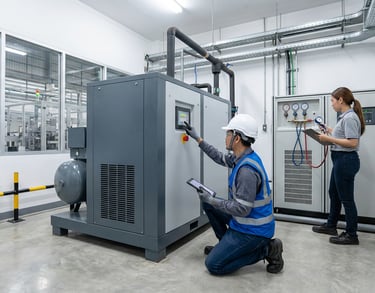
A typical audit can identify issues such as air leaks, pressure drops, oversized compressors, inefficient operating schedules, and poor system layout.
Many industrial facilities operate compressors at higher pressure levels than required, which significantly increases energy consumption.
2. Reduce Air Leaks
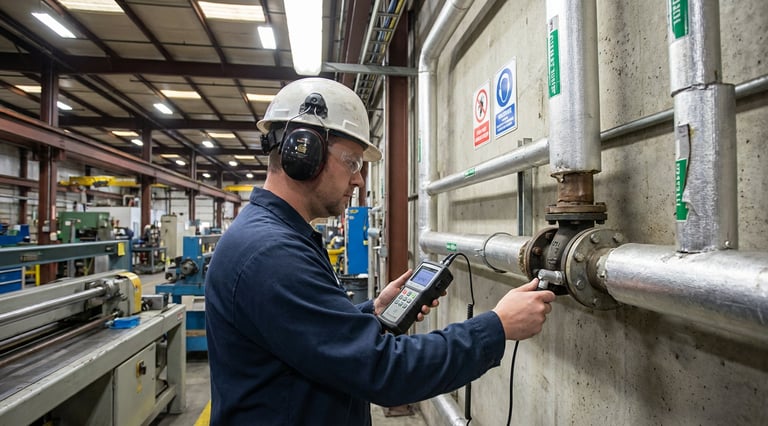
Air leaks are among the most common causes of energy loss in compressed air systems. In poorly maintained facilities, leaks can waste 20–30% of total compressed air production.
Typical leak locations include pipe joints, hose connections, quick couplers, pressure regulators, and valves or fittings.
Even small leaks can significantly increase energy consumption over time, making leak repair one of the fastest ways to improve efficiency.
3. Optimize System Pressure
Operating compressors at unnecessarily high pressure levels increases energy consumption and accelerates system wear. As a general guideline, every 1 bar (14.5 psi) increase in pressure can raise energy use by about 7%.
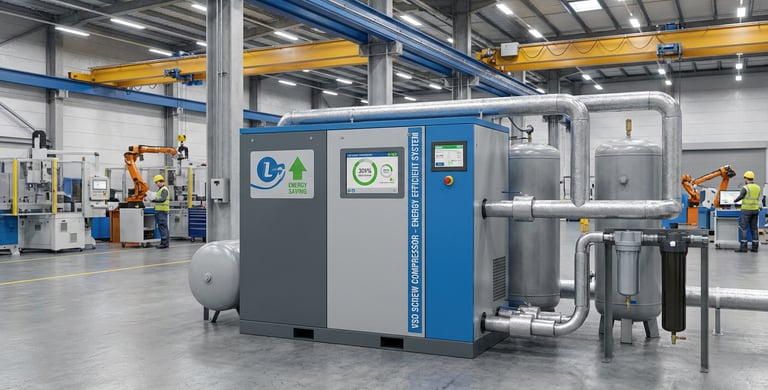
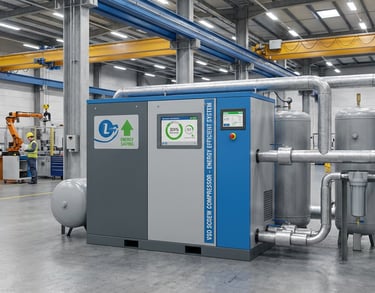
Excessive pressure may cause increased air leakage, greater mechanical wear, and shorter compressor lifespan.
4. Use Variable Speed Drive (VSD) Compressors
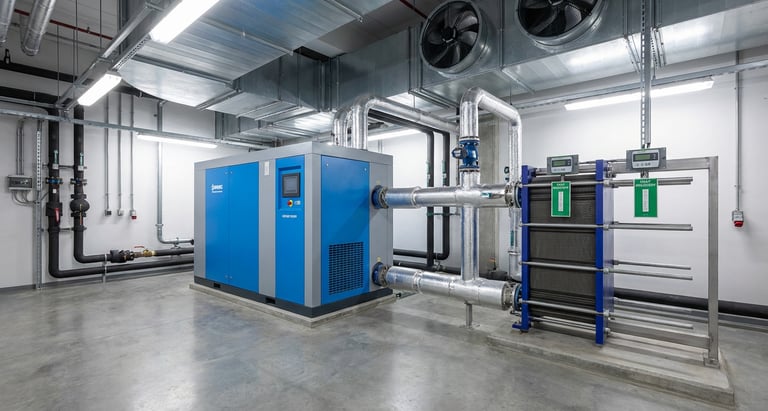
Variable Speed Drive compressors automatically adjust motor speed based on real‑time air demand.
Instead of running continuously at full capacity, VSD compressors produce only the amount of compressed air required, reducing energy consumption and improving pressure stability.
5. Improve Cooling and Recover Waste Heat
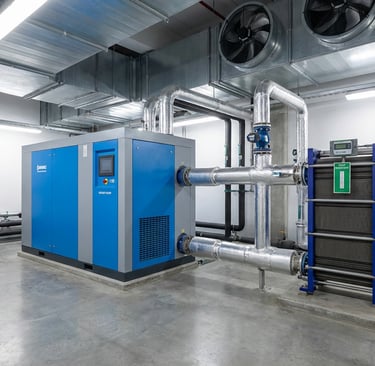
Air compressors generate a large amount of heat during operation. If heat is not effectively removed, high operating temperatures can reduce compressor efficiency and increase the risk of mechanical failure.
Cooling improvements may include enhancing ventilation systems, maintaining cooling fans, cleaning heat exchangers, and monitoring operating temperatures.
Some facilities install heat recovery systems that reuse compressor waste heat for water heating, space heating, or industrial processes.
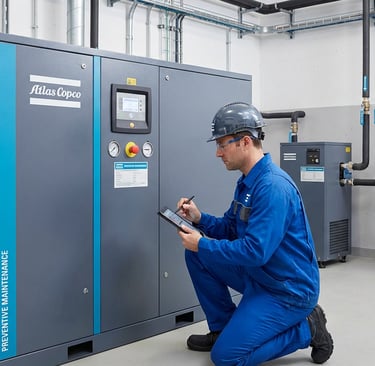
6. Implement Preventive Maintenance
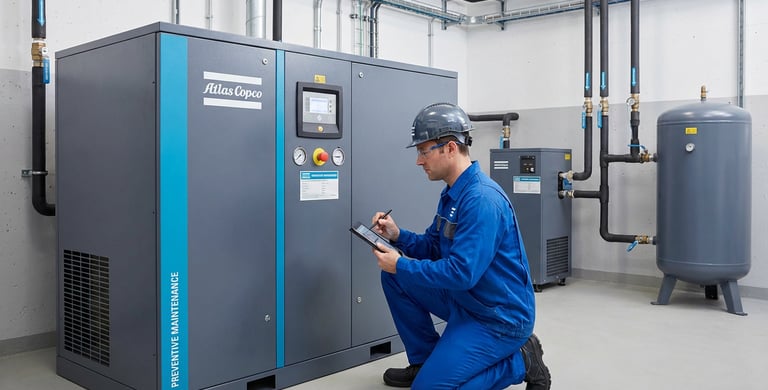
Regular maintenance is essential for maintaining both efficiency and availability.
Typical maintenance tasks include replacing air filters, checking lubrication oil levels, inspecting belts and couplings, cleaning intake filters, and monitoring vibration and temperature.
7. Increase Compressed Air Storage Capacity
Air receiver tanks help stabilize system pressure and reduce compressor cycling.
Properly sized air receivers improve system efficiency, stabilize pressure levels, and extend compressor lifespan.
8. Use Smart Monitoring Systems
Modern industrial facilities increasingly use digital monitoring systems to track compressor performance in real time.
These systems measure airflow rate, pressure levels, energy consumption, operating temperature, and maintenance alerts.
Frequently Asked Questions (FAQ)
What is the most efficient type of industrial air compressor?
Rotary screw compressors are typically considered the most efficient option for continuous industrial use.
How much energy do compressed air systems consume in factories?
They can account for 10–30% of industrial electricity consumption.
How often should an air compressor be maintained?
Most industrial compressors require preventive maintenance every 3–6 months.
What causes pressure drops in compressed air systems?
Common causes include air leaks, clogged filters, undersized piping, or poor piping layout.
Conclusion
Improving air compressor efficiency and system availability helps reduce energy costs and maintain reliable industrial operations.
Strategies such as system audits, leak reduction, optimized pressure settings, and preventive maintenance significantly enhance compressor performance.s.
Energy efficiency improvements also support sustainable industrial production.