Why Is Your Compressed Air Cost Getting Higher?
Learn why compressed air costs keep increasing in factories. Discover the common causes of energy waste like air leaks, high pressure, unloaded running, and how VSD air compressors can help reduce energy consumption.
PAXTON
5/25/20263 min read
Many factories notice the same issue:
Electricity bills keep rising, but production output hasn’t increased much.
At first, many people assume the reason is new equipment, more orders, or higher electricity prices.
But in many cases, the real source of energy waste is something often overlooked:
the compressed air system.
In many factories, air compressor systems run for years with hidden problems such as:
• Unloaded running
• Pipeline air leakage
• Excessive pressure settings
• Aging equipment
• Improper system configuration
These issues usually don’t stop production immediately.
But they quietly increase power consumption every day and continue reducing profit over time.
Why Is Your Compressed Air Cost Getting Higher?
A Real Factory Case
One of our previous customers in metal processing experienced rising electricity bills for several months.
At the beginning, they believed the increase came from newly added production machines.
But after checking the system, they found the real problem was not the production equipment —
it was the compressed air system.
Their workshop had unstable air demand throughout the day.
Because of this, their traditional fixed-speed screw compressor kept running in repeated:
load → unload → idle
cycles.
At the same time, there were also multiple leakage points in the main pipeline.
Even after production stopped at night, the compressor continued starting frequently.
Why Does Compressed Air Consume So Much Electricity?
Many factories don’t realize:
compressed air is one of the most expensive utility energies in manufacturing.
According to the U.S. Department of Energy, compressed air systems can account for 10%–30% of a plant’s total electricity use.
And in factories with high pneumatic demand, the percentage can be even higher.

Three Common Reasons for High Energy Waste
1. Air Leakage
This is one of the most common hidden issues.
Leaks often happen at:
• Pipe joints
• Quick connectors
• Valves
• Welding points
• Aging pipelines
Even small leaks can force the compressor to load more frequently, wasting large amounts of electricity.
2. Pressure Set Too High
Many factories believe:
“Higher pressure is safer.”
But higher pressure also means higher energy consumption.
Industry data commonly shows:
Every 1 bar increase in pressure can increase energy consumption by around 7%.
Some factories only need 7 bar but operate continuously at 8–9 bar.
That means unnecessary electricity cost every day.
3. Unloaded Running
Traditional fixed-speed compressors often continue running even when air demand drops.
Even without producing useful compressed air,
the motor still consumes electricity.
This becomes especially obvious during:
• Night shifts
• Lunch breaks
• Low-load periods
• Fluctuating production hours
Customer Upgrade Result
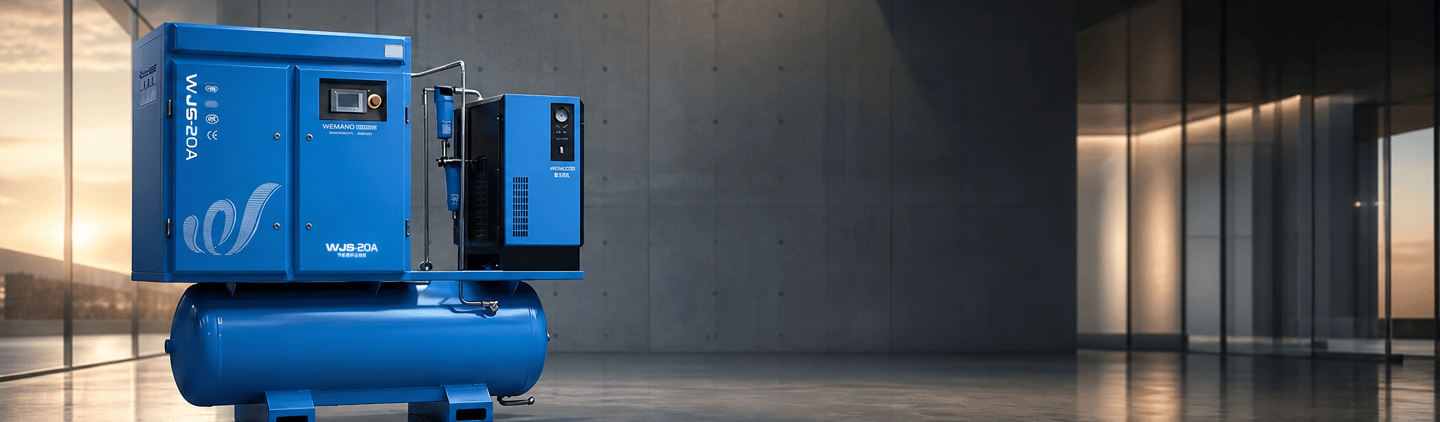
One of our laser cutting customers later upgraded their compressed air system by:
✔ Installing VSD screw air compressors
✔ Repairing pipeline leakage
✔ Optimizing pressure settings
✔ Adding air receiver tanks
After the upgrade:
• Idle running was greatly reduced
• Pressure became more stable
• Frequent night starts disappeared
• Overall energy consumption dropped by around 20%–25%
At the same time,
overall system stability also improved noticeably.
Why More Factories Are Choosing VSD Compressors
Traditional compressors usually run either:
Full speed or Stop
But actual air demand in a factory is rarely stable.
Processes like:
• Laser cutting
• Spray coating
• Packaging
• Textile production
often have fluctuating air demand.
A VSD (Variable Speed Drive) compressor adjusts motor speed automatically based on actual air consumption.
This helps reduce unloading loss and unnecessary energy waste.
In many applications,
VSD compressors can typically deliver 15%–35% energy savings, especially under variable load conditions.
How Can Factories Reduce Compressed Air Cost?
In many cases, the most effective solution is not just replacing one machine.
It’s about optimizing the entire compressed air system.
Common solutions include:
1. Regular Leak Inspection
Check pipelines, valves, fittings, and connectors regularly.
2. Optimize System Pressure
Avoid operating at unnecessarily high pressure for long periods.
3. Use VSD Air Compressors
Especially suitable for factories with fluctuating air demand.
4. Improve Pipeline Design
Reduce pressure drop and improve air delivery efficiency.
5. Add Air Receiver Tanks
Improve air supply stability and reduce frequent compressor loading.
Conclusion
Many factories see air compressors as auxiliary equipment.
But in reality,
the compressed air system often directly affects:
• Energy consumption
• System stability
• Production efficiency
• Equipment lifespan
For many manufacturers,
the most expensive cost is often not the equipment itself —
but the long-term energy waste hidden inside the system.
Hope this helps you better understand how to reduce your compressed air cost.